

Bengal cats are renowned for their exotic, wild appearance and playful, affectionate nature — a perfect blend of jungle beauty and domestic charm. With their sleek, spotted coats reminiscent of leopards, they’ve become one of the most captivating and sought-after cat breeds in the world.
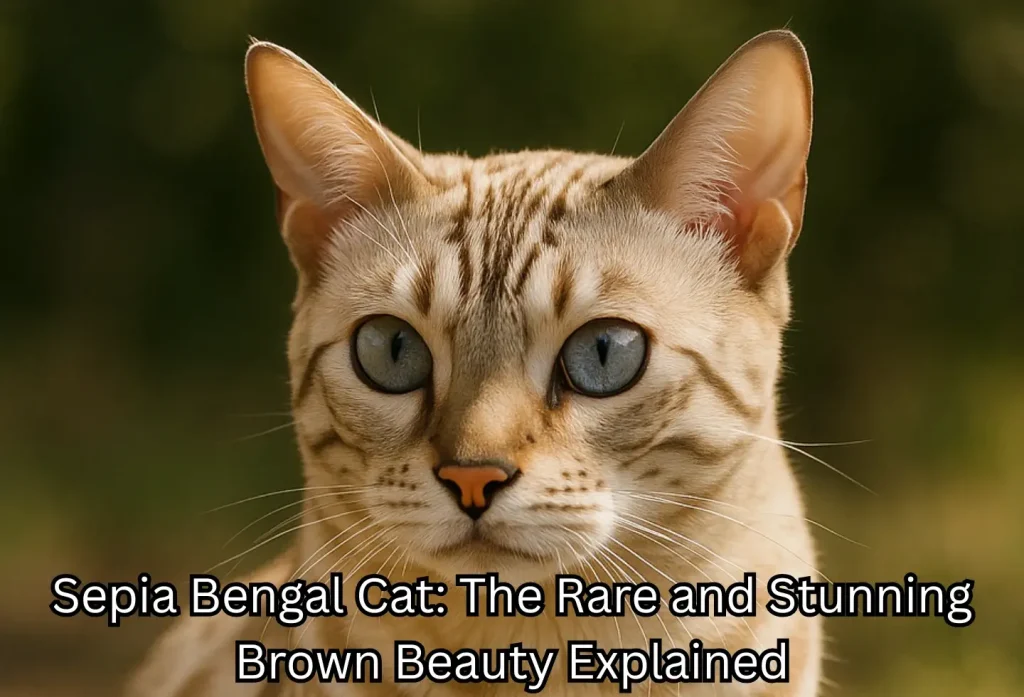
Among the many stunning variations of this breed, the sepia Bengal cat stands out for its warm, creamy tones and enchanting contrast patterns. This rare color variation gives the sepia Bengal cat an elegant, golden-brown glow that’s softer than the typical brown rosetted coat, making it both unique and mesmerizing.
In this guide, you’ll discover everything you need to know about the sepia Bengal cat— from its distinct appearance and personality traits to its price range, care requirements, and more.
If you’re curious about the sepia Bengal cat and what makes it stand out from other Bengals, this guide covers everything you need to know.
Table of Contents
What Is a Sepia Bengal Cat?
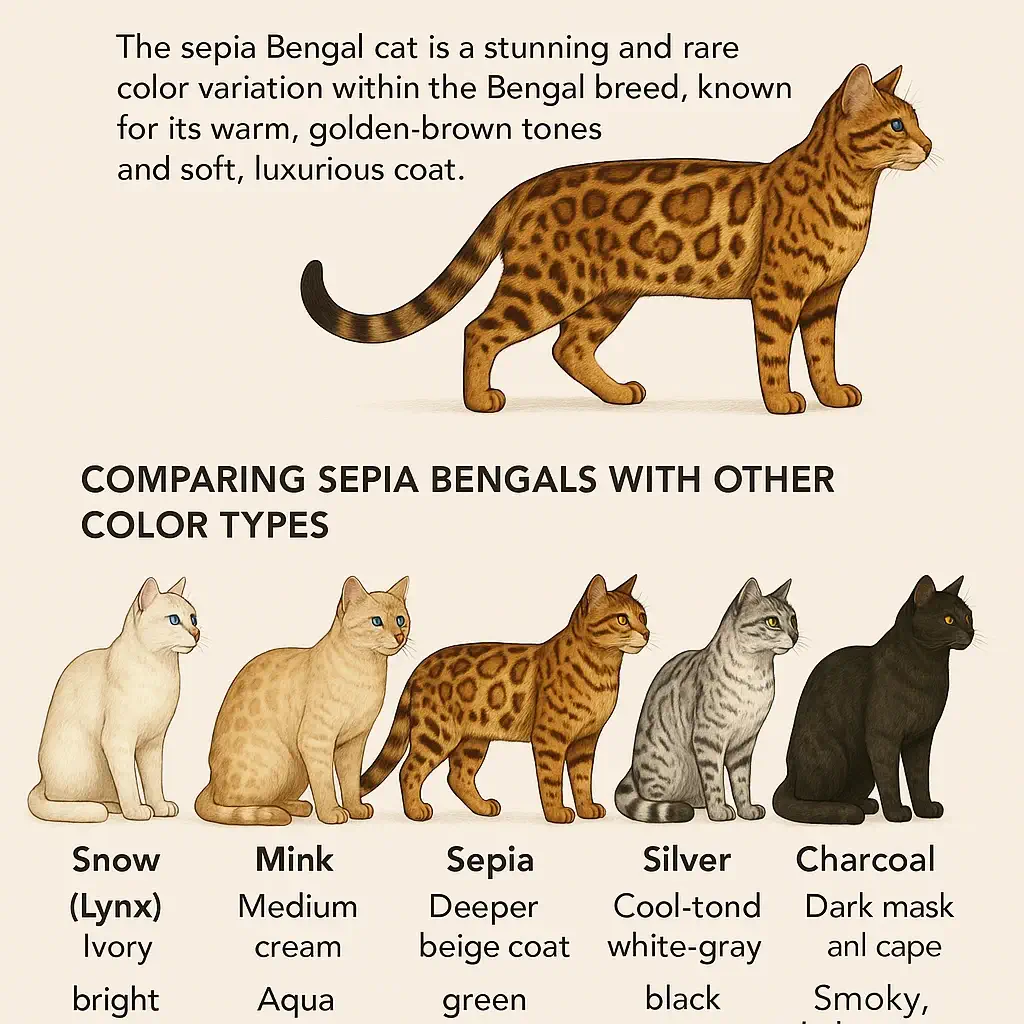
The sepia Bengal cat is a stunning and rare color variation within the Bengal breed, known for its warm, golden-brown tones and soft, luxurious coat. While all Bengals share the same exotic ancestry — a cross between the Asian leopard cat (Prionailurus bengalensis) and domestic cats — the sepia variation stands out for its rich, creamy base color and striking contrast patterns.
Origin of the Bengal Breed and the Sepia Gene
The Bengal cat breed was developed in the 1960s to capture the wild beauty of leopard cats in a friendly, domestic feline. The sepia color originates from the Burmese (cb) gene, which affects melanin production and gives the coat a warmer, coffee-like tone.
This gene is part of the “snow series,” which includes three main variations — Lynx (cs), Mink (cb/cs), and Sepia (cb). Among them, sepia Bengal cats are the darkest of the snow types, offering a richer, more caramel hue.
Comparing Sepia Bengals with Other Color Types
- Snow (Lynx) Bengal: The lightest of the snow variations, with an ivory coat and bright blue eyes.
- Mink Bengal: Falls between Lynx and Sepia — medium cream coat and aqua or teal eyes.
- Sepia Bengal: Deeper beige or golden-brown coat with green to gold eyes; has the most contrast among the snow types.
- Silver Bengal: Cool-toned, white-gray coat with black markings — completely different gene (inhibitor gene).
- Charcoal Bengal: Features a dark “mask” and cape due to the apb gene, giving it a smoky, mysterious look.
The sepia-colored Bengal cat combines warmth, contrast, and elegance — a perfect blend of wild allure and domestic charm.
Sepia Bengal Cat Appearance
Coat Color and Patterns

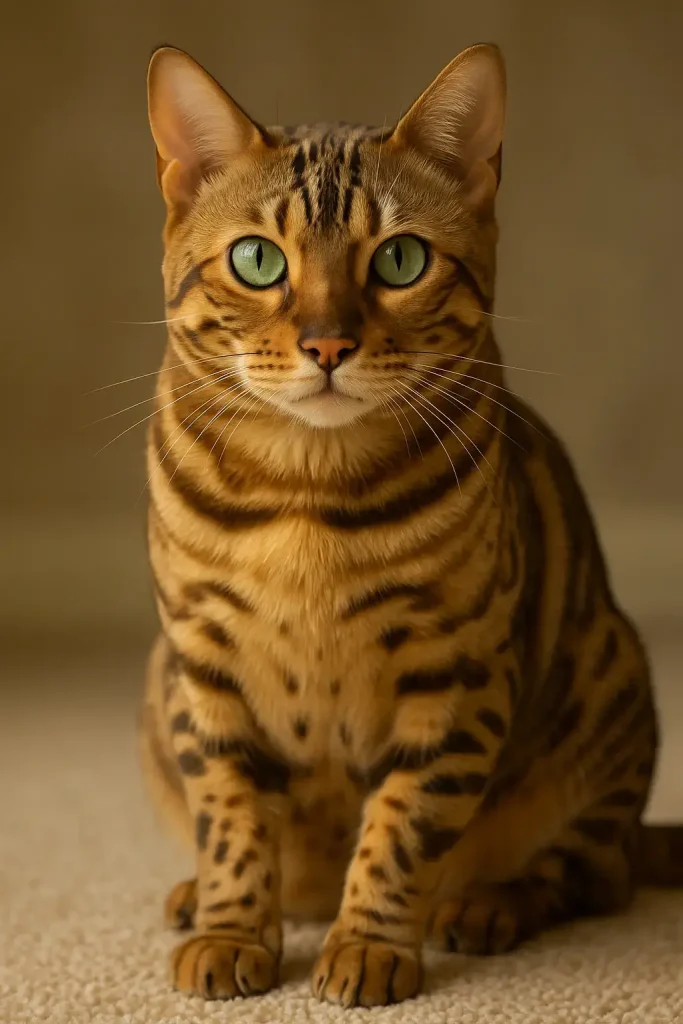
The sepia Bengal cat is admired for its warm, creamy brown coat that glows with a golden or caramel hue. This color is the richest among the snow variations, giving the sepia Bengal a luxurious, velvety appearance.
Their coats feature striking rosettes, spots, or marbling patterns, reminiscent of a wild leopard or ocelot. Each marking stands out with deep contrast against the background coat, enhancing the cat’s exotic charm.
Under natural sunlight, the sepia Bengal’s fur often shimmers, creating a radiant “glitter effect” that makes them appear almost golden.
Read more about Egyptian Mau Siamese Mix-Click Here
Eye Color and Body Features
Sepia Bengals are known for their golden to green eyes, which perfectly complement their warm-toned coats. This eye color is one of the defining traits that distinguishes them from other snow Bengals.
Physically, the sepia Bengal is muscular and athletic, typically medium to large in size. They have a wildcat-like appearance with a sleek body, strong legs, and a broad head framed by expressive eyes and a confident stance — all features inherited from their leopard cat ancestry.
How Sepia Differs from Snow or Mink Bengals

Are Siamese Cats Good With Dogs? Want to know-Click Here
Personality and Behavior of Sepia Bengal Cats
The sepia Bengal cat isn’t just admired for its beautiful coat — it’s also known for its active, intelligent, and affectionate nature. These cats are full of energy, curiosity, and personality, making them one of the most engaging breeds to live with.
Intelligent and Curious Companions
Sepia Bengals are highly intelligent and quick learners. They love solving puzzles, opening cabinets, and exploring every corner of their home. Because of their wild ancestry, they crave mental stimulation — toys, climbing trees, and interactive play are must-haves to keep them entertained and happy.
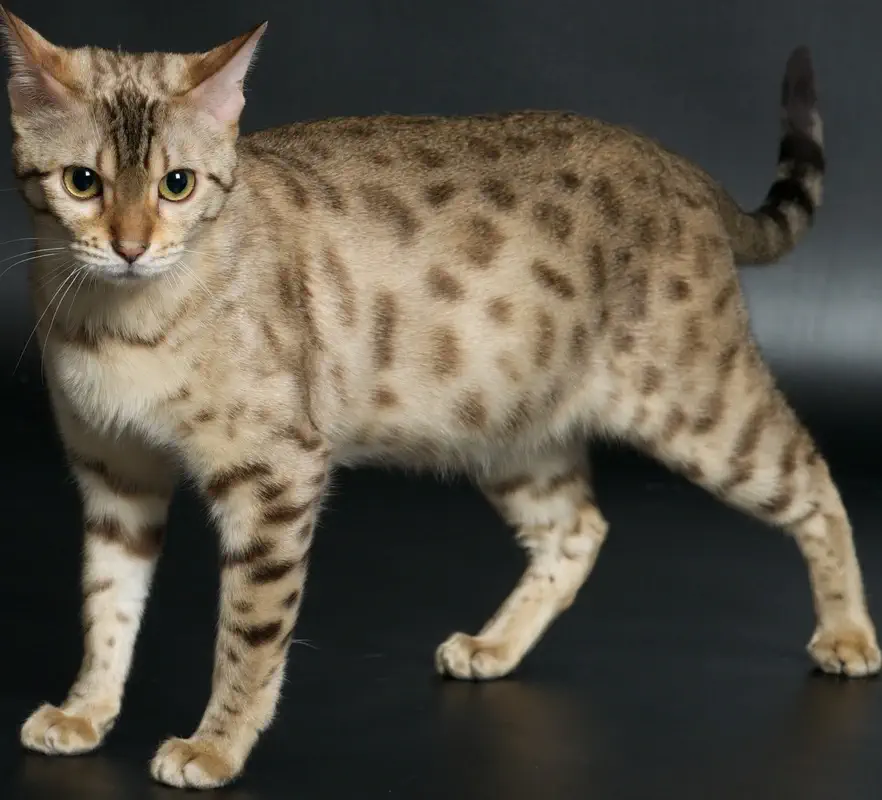
Their problem-solving skills make them fun (and sometimes mischievous) housemates.
Many owners say that a sepia Bengal cat’s temperament is a blend of wild curiosity and loyal affection — a perfect balance for those who want a lively, interactive companion.
Affectionate and Social Nature.
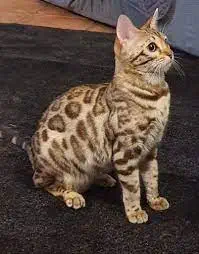
Despite their exotic looks, sepia Bengals are very friendly and social. They form strong bonds with their families and often follow their owners from room to room, eager to be part of daily activities. These cats love playtime, water, and even enjoy learning tricks or walking on a leash
So if you’re wondering, “Is a sepia Bengal cat friendly?” — the answer is yes! They thrive on human interaction and don’t like being left alone for long periods. Regular play sessions and affection help them stay emotionally balanced.
Are They Good Family Pets?
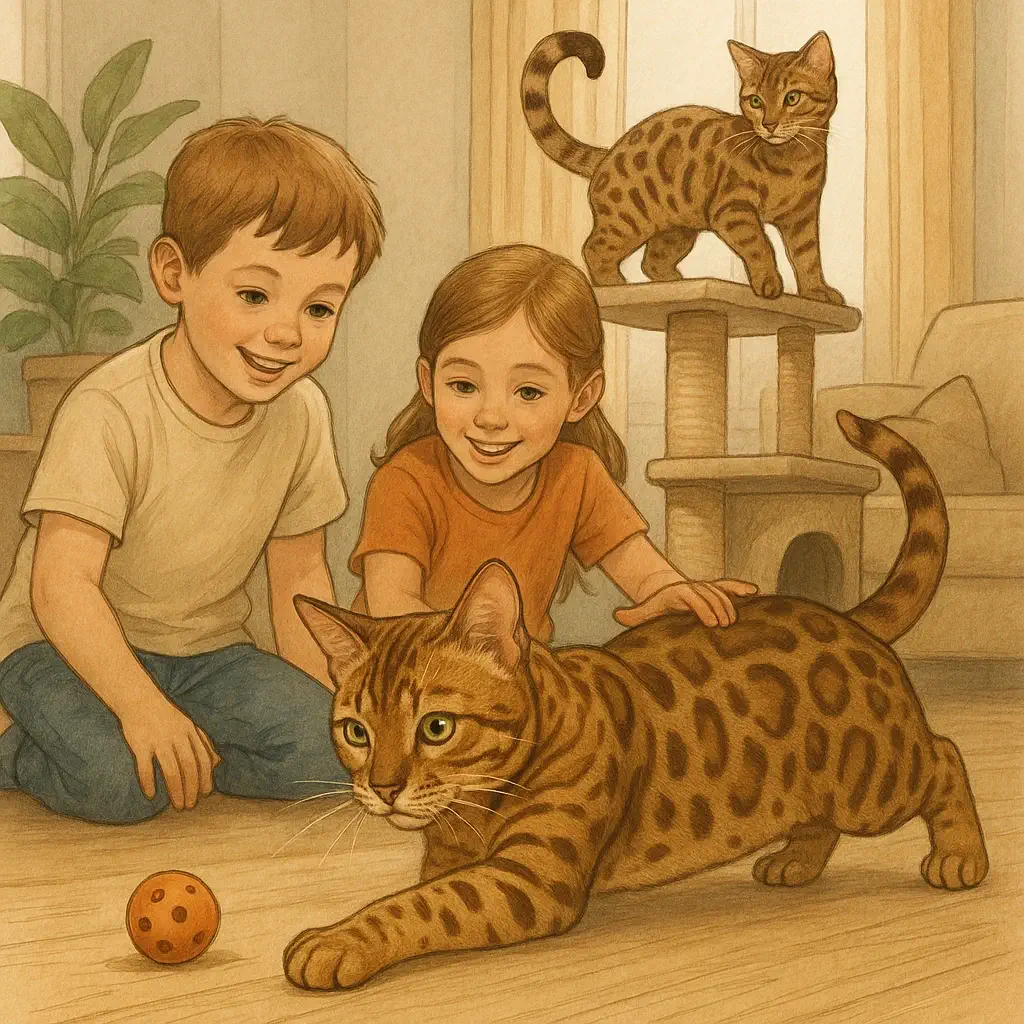
Absolutely — sepia Bengal cats make great family pets when their needs are met. They’re playful enough to keep children entertained and usually adapt well to homes with other cats or even dogs, especially if introduced properly.
However, because they’re so energetic, they do best in active households with time for interaction and stimulation. Indoor enrichment is essential — provide climbing trees, tunnels, interactive toys, and puzzle feeders to mimic the hunting challenges they love.
Caring for a Sepia Bengal Cat
Taking care of a sepia Bengal cat is both rewarding and fun — their intelligence and energy make them active companions that thrive with the right attention, diet, and enrichment. Here’s how to keep your sepia Bengal healthy, happy, and looking its best.
Grooming and Maintenance
The sepia Bengal cat has a short, sleek coat that’s naturally low-shedding and easy to maintain. Unlike long-haired breeds, they don’t require daily brushing. However, a weekly grooming session helps remove loose fur, distribute natural oils, and enhance their coat’s glossy shine.
Their fur rarely mats or tangles, but brushing also strengthens your bond and keeps shedding to a minimum — especially during seasonal changes.
Use a soft-bristle or rubber grooming brush to bring out the sepia Bengal’s signature “glittered” coat sheen.
Diet and Nutrition
Like all Bengals, sepia Bengals need a high-protein diet to support their lean muscles and energetic lifestyle. Look for cat foods with real meat as the first ingredient, avoiding fillers like corn or soy.
Recommended options include:
- Premium dry foods with high protein (over 40%)
- Wet foods with real chicken, turkey, or fish
- Raw or freeze-dried diets (optional, if properly balanced and veterinarian-approved)
These cats burn plenty of energy, so consistent nutrition ensures strong muscles, shiny coats, and steady energy levels throughout the day.
Exercise and Enrichment
A bored Bengal cat can easily become mischievous, scratching furniture or finding creative (and chaotic) ways to entertain themselves. Sepia Bengals are no exception — they need plenty of daily playtime and mental challenges to stay happy.
Top enrichment ideas for sepia Bengals:
- Cat exercise wheel: Great for high-energy Bengals who love to run.
- Wall-mounted climbing shelves: Mimic their natural jungle instincts.
- Interactive puzzle feeders: Encourage problem-solving and slow down eating.
- Play sessions: Laser toys, feather wands, or fetch games.
Keeping your sepia Bengal cat engaged prevents destructive behavior and builds a stronger connection between you and your feline friend.
Health and Lifespan of Sepia Bengals
Like all Bengal cats, sepia Bengals are generally strong, athletic, and healthy — but they can be prone to certain genetic and breed-related conditions. With proper care, nutrition, and regular veterinary attention, these stunning cats can enjoy a long, vibrant life.
Common Health Issues in Sepia Bengals
While sepia Bengal cats share most health concerns with other Bengals, responsible breeding and routine checkups can help prevent many of these problems.

Here are some common Bengal cat health issues to be aware of:
Hypertrophic Cardiomyopathy (HCM):
A common heart disease that causes thickening of the heart muscle. Regular heart screenings (echocardiograms) help detect it early.
Progressive Retinal Atrophy (PRA):
A genetic condition that affects vision and can lead to blindness. Reputable breeders usually test for this before breeding.
Dental Disease:
Like most cats, Bengals can develop tartar buildup and gum issues — regular brushing or dental treats help maintain oral health.
Sensitive Digestion:
Some Bengals have sensitive stomachs, so it’s best to stick to a consistent, high-quality high-protein diet.
Average Lifespan
With proper care, the average lifespan of a sepia Bengal cat is 12 to 16 years. Some well-cared-for Bengals even live beyond 18 years when kept indoors, fed a high-quality diet, and given regular health checks.
Fun Fact: The combination of strong genetics, proper diet, and active lifestyle makes Bengals one of the longest-living exotic-looking cat breeds.
Sepia Bengal Cat Price and Availability in the USA
If you’re dreaming of owning a sepia Bengal cat, you’re not alone — their rare golden-brown coats and stunning rosettes make them one of the most sought-after Bengal color variations in the United States. However, because of their rarity and the care needed for ethical breeding, the price can vary significantly.
Typical Price Range
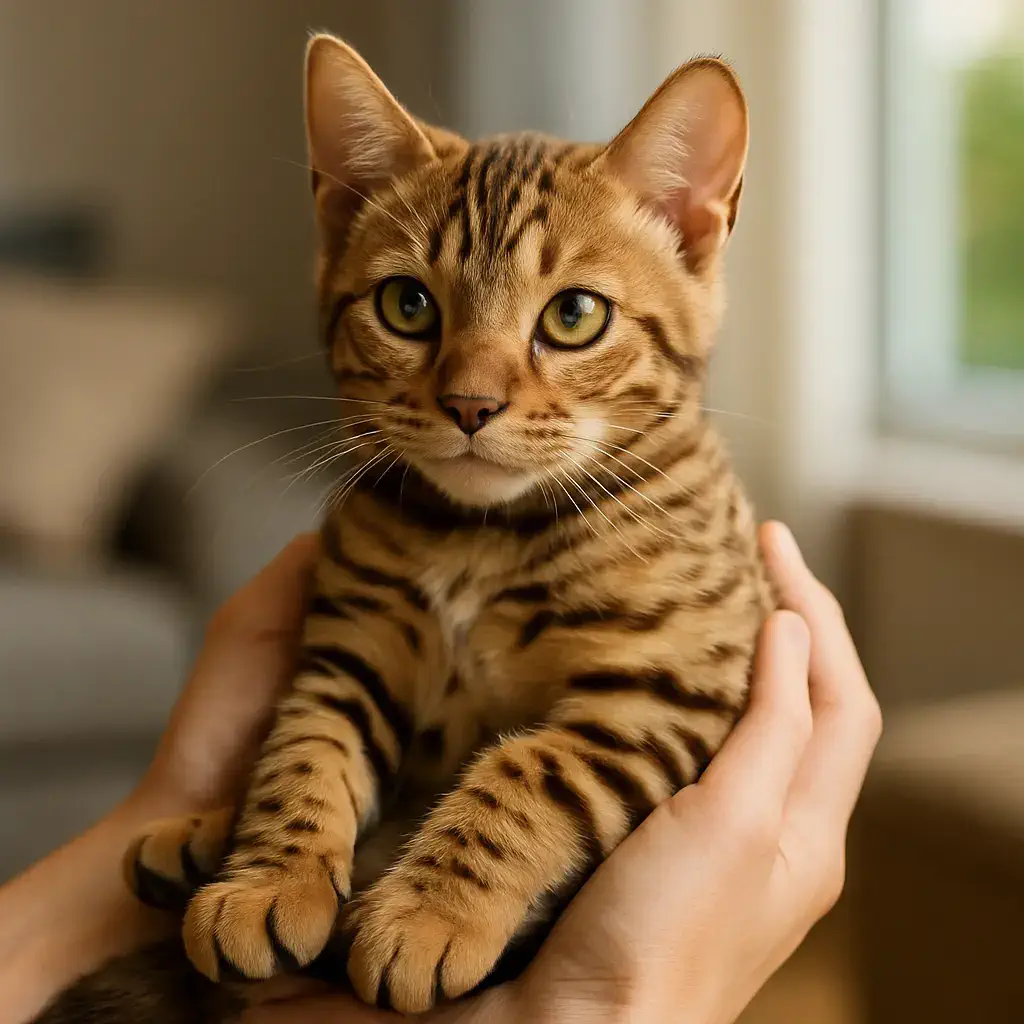
The average price of a sepia Bengal cat in the USA typically ranges between $1,500 and $3,000. However, certain factors — such as breeder reputation, lineage, coat clarity, and generation (F1, F2, SBT) — can push the cost even higher.
Pet-quality sepia Bengals: Usually between $1,500–$2,500
Show or breeding-quality Bengals: Can exceed $3,000–$5,000+
Because the sepia color variation is rarer than standard brown or snow Bengals, kittens often fall on the higher end of the price range. Their warm golden hue, combined with soft contrast and striking eye color, adds to their exclusivity and value.
You can get more information about this:
The Bengal Connection – Bengal Cat Price Guide
Registered Bengals – Kitten Pricing Information
Benaby – Bengal Generations and Color Varieties
Finding an ethical source is crucial — not only for your cat’s health but also to support responsible breeding practices.
1. Reputable Bengal Breeders
Choose breeders who are TICA-registered and provide health guarantees. Ethical breeders screen for genetic conditions such as HCM and PRA, ensuring you bring home a healthy kitten.
Kittens-Bengal.com – Bengal kittens available in multiple colors, including sepia.
Registered Bengals – Verified breeder with transparent pricing and lineage details.
2. Bengal Rescue Organizations
Adoption is a wonderful way to find a Bengal cat in need of a home. Sometimes even sepia or snow Bengals appear in rescues!
Bengal Rescue Official Site – A U.S. nonprofit dedicated to rehoming Bengals and Bengal mixes.
Adopting Your First Bengal Guide – A helpful resource for first-time Bengal adopters.
🐾 3. Local Adoption Centers and Shelters
Check your local animal shelters or Petfinder.com, as Bengals occasionally appear in rescues. Though rarer, this can be an affordable and compassionate alternative to buying from breeders.
Conclusion
The Sepia Bengal Cat is truly a one-of-a-kind feline — a perfect blend of wild beauty, sharp intelligence, and gentle affection. With its warm brown coat, golden-green eyes, and playful yet loyal nature, this Bengal variety stands out as both a showstopper and a loving family companion.
If you’re considering bringing a sepia Bengal home, take time to research ethical breeders and understand the commitment needed to keep such an energetic, intelligent cat happy. With proper care, enrichment, and love, your sepia Bengal will reward you with years of joy, adventure, and companionship.
FAQs
What is the rarest Bengal cat color?
Among Bengal cats, some of the rarest and most sought-after colors are blue, chocolate, cinnamon, and fawn — all of which are caused by uncommon genetic combinations.
Within the “snow” category (which includes lynx, mink, and sepia), the snow sepia Bengal is considered the rarest snow color because it’s harder to breed and less commonly seen.
Fun Fact: While all Bengals are stunning, rare colors like sepia or blue often come with a higher price tag due to their genetic rarity and limited availability in the USA.
Do Sepia Bengal Cats Change Color as They Grow?
Yes — like most Bengal cats, sepia Bengals go through color changes as they mature.
Kittens are born with softer, lighter coats that may look faded or “fuzzy.” As they grow (especially during the first 12 months), their markings and coat colors deepen and become more defined.
By adulthood, a sepia Bengal’s coat develops a rich brown-gold shimmer, and the patterns (rosettes or marbling) become sharp and striking. This transformation makes watching them grow an exciting experience for owners!
Are Sepia Bengals Hypoallergenic?
This is a common question — and the answer is partly yes, partly no.
While no cat breed is completely hypoallergenic, Bengal cats tend to produce fewer allergens compared to many other breeds. This is due to their short, sleek, low-shedding coat and their habit of grooming themselves efficiently.
However, if you’re allergic to cats, you may still react to a Bengal’s saliva or dander (tiny skin flakes). It’s best to spend time around a Bengal cat before adoption to see how your allergies respond.
Tip: Regular grooming, HEPA air filters, and washing bedding often can help reduce allergens at home.